On the Historical Skies: Harmonies between Heaven and Earth
Samarkand 21-23 October 2022
Conference description: In December 2020 Jupiter and Saturn formed a conjunction in Aquarius. In Persian theory, transmitted into the Islamic world and Medieval and Renaissance Europe, this signifies an entirely new period of history, lasting around two and a half centuries. At such moments of change kingdoms rise and fall and new prophets appear, preaching new religious teachings.
To mark this conjunction, this academic conference considers the many ways in which societies have sought political harmony between heaven and earth, or sought to use such connections for the common good, to gain personal advantage or shaping and intervening in the historical process. Dynasties were inaugurated, kings proclaimed and cities founded at auspicious moments. In the modern world astrology remains a feature of politics on India, and in the west the theory of great ages took on a new form in the theory of the coming Aquarian Age.
We invite submissions to speak on the use of astronomy and astrology in politics and history, and suitable topics include the use of astrology and astronomy in interpreting the past, managing the present or predicting the future, exploring technique, theory or iconography, in any culture or time period. Papers may explore individual instances of theory or technique, or the work of individual astrologers, or examples of the implementation of the application of astronomy and astrology in politics or history.
Time: 21-23 October, 2022
Place: Samarkand, Ubzekistan
Venue: Theatre of Historical Costume 'El Merosi'
Alisher Navoi St., 27,
Samarkand,
Uzbekistan
This conference is sponsored by the Sophia Centre, University of Wales Trinity Saint David. We gratefully acknowledge a grant from the Urania Trust, which has made the conference possible.
On our Gallery Pages are images from the conference available.
Location of the conference - Samarkand
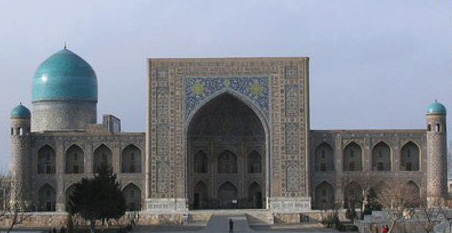
The conference will be held in Samarkand - one of the oldest cities in the world, famous for its architectural monuments and scientific achievements of astronomers and mathematicians. The city is noted as a center of Islamic scholarly study and the birthplace of the Timurid Renaissance. In the 14th century, Timur (Tamerlane) made it the capital of his empire and under Timur’s grandson the sultan Ulugh Beg, Samarkand became one of the world centers of medieval science. In 1417-1420 Ulugh Beg built a madrasah in Samarkand, to which he invited a large number of astronomers and mathematicians of the Islamic world, including Giyasiddin Jamshid Kashi, Kazizade Rumi and al-Kushchi.
The Samarkand Observatory: The Temple of Mathematical Wisdom
In 1428 Ulugh Beg completed the construction of his great observatory, considered by scholars to have been one of the finest observatories in the Islamic world at the time and the largest in Central Asia. Ulugh Beg was himself subsequently recognized as the most important observational astronomer of the 15th century.. The main instrument of the observatory was the wall quadrant, which had no equal in the world. This curving stone arch once measured 40 meters tall and was used by astronomers to measure the angle of elevation of bright celestial objects.
The remains of one of the greatest observatories ever built lay hidden for nearly half a millennium. The remains were discovered in 1908 by the Russian academician V. L.Vyatkin and in 1984, the architect Mitkhat Bulatov restored the former appearance of the building and initiated a project for its reconstruction.
During the conference we will present publication of Ulugbek’s Astronomical Tables in four languages, which will be published in 2022 by SMI-Asia and Mithat Bulatov’s work entitled Cosmos and Architecture devoted to the reconstruction of the Ulugbek observatory in Samarkand.
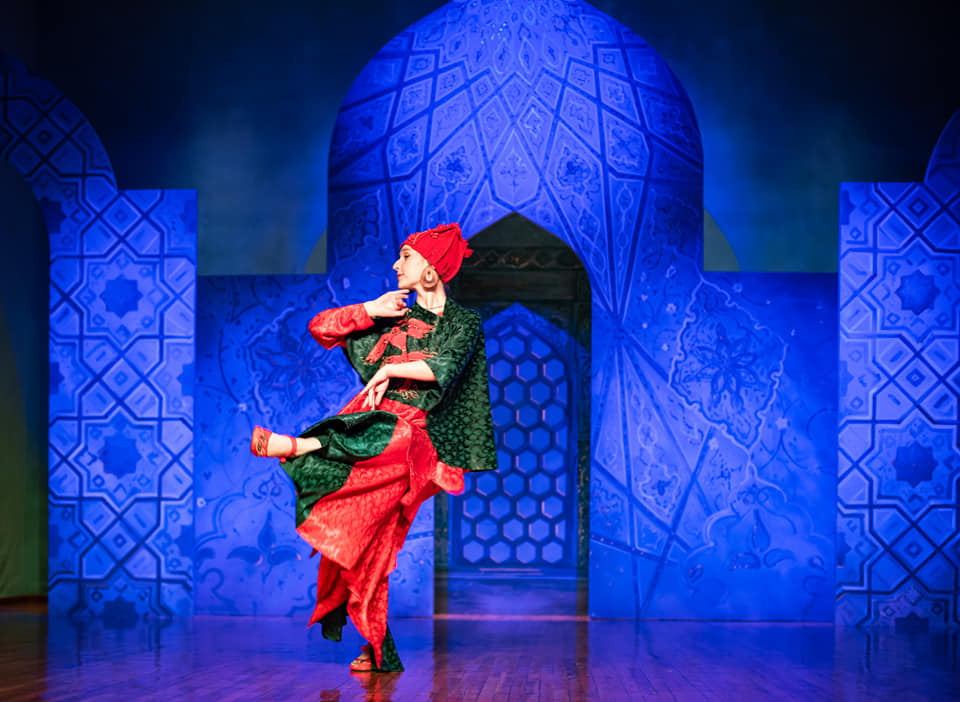
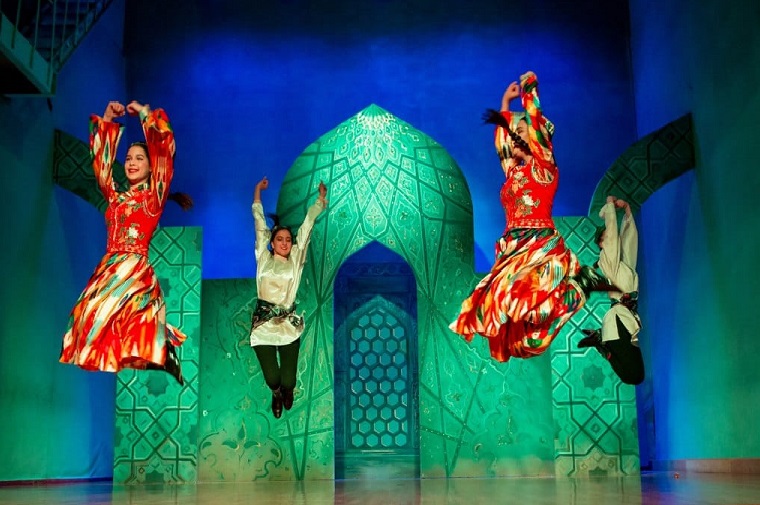
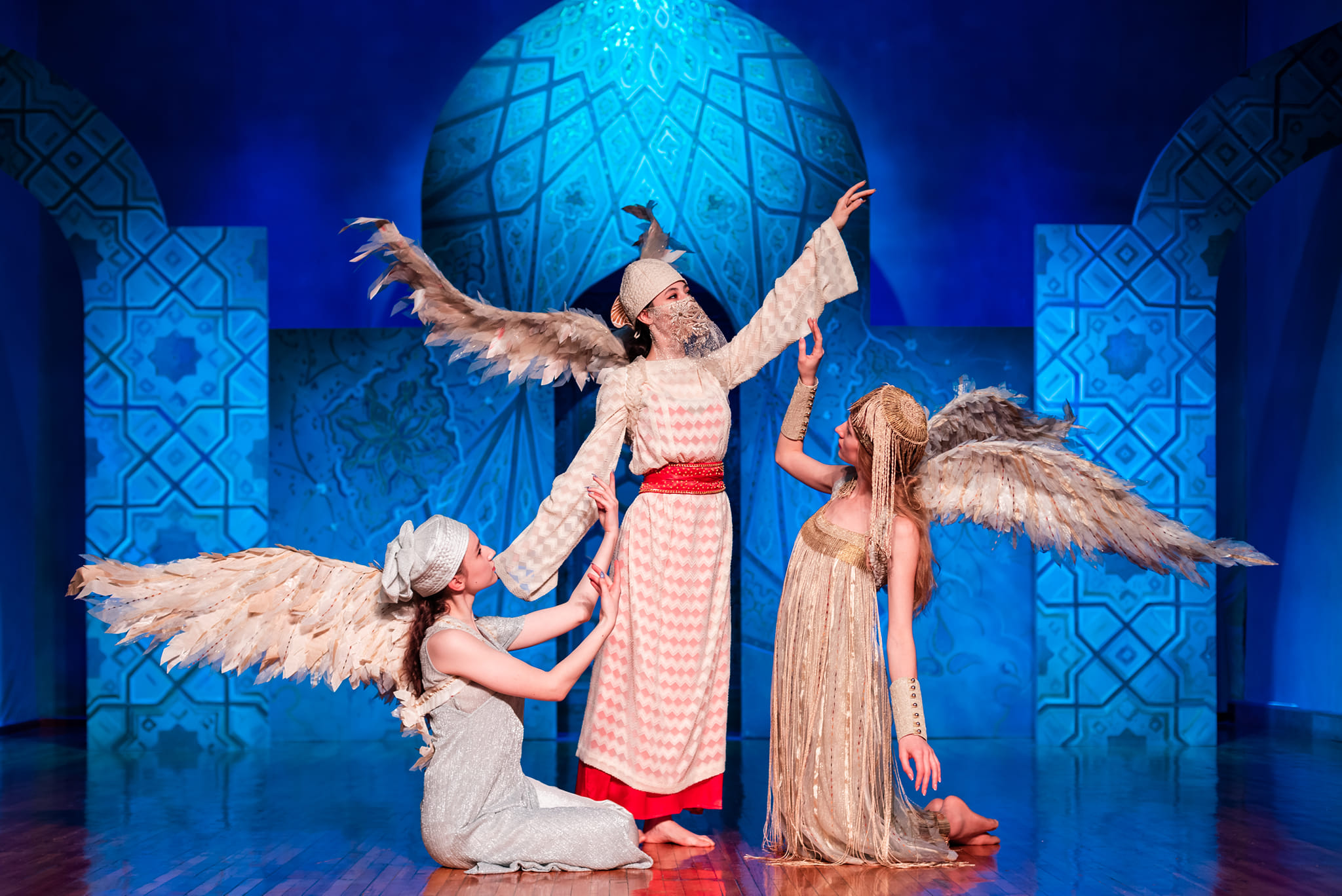
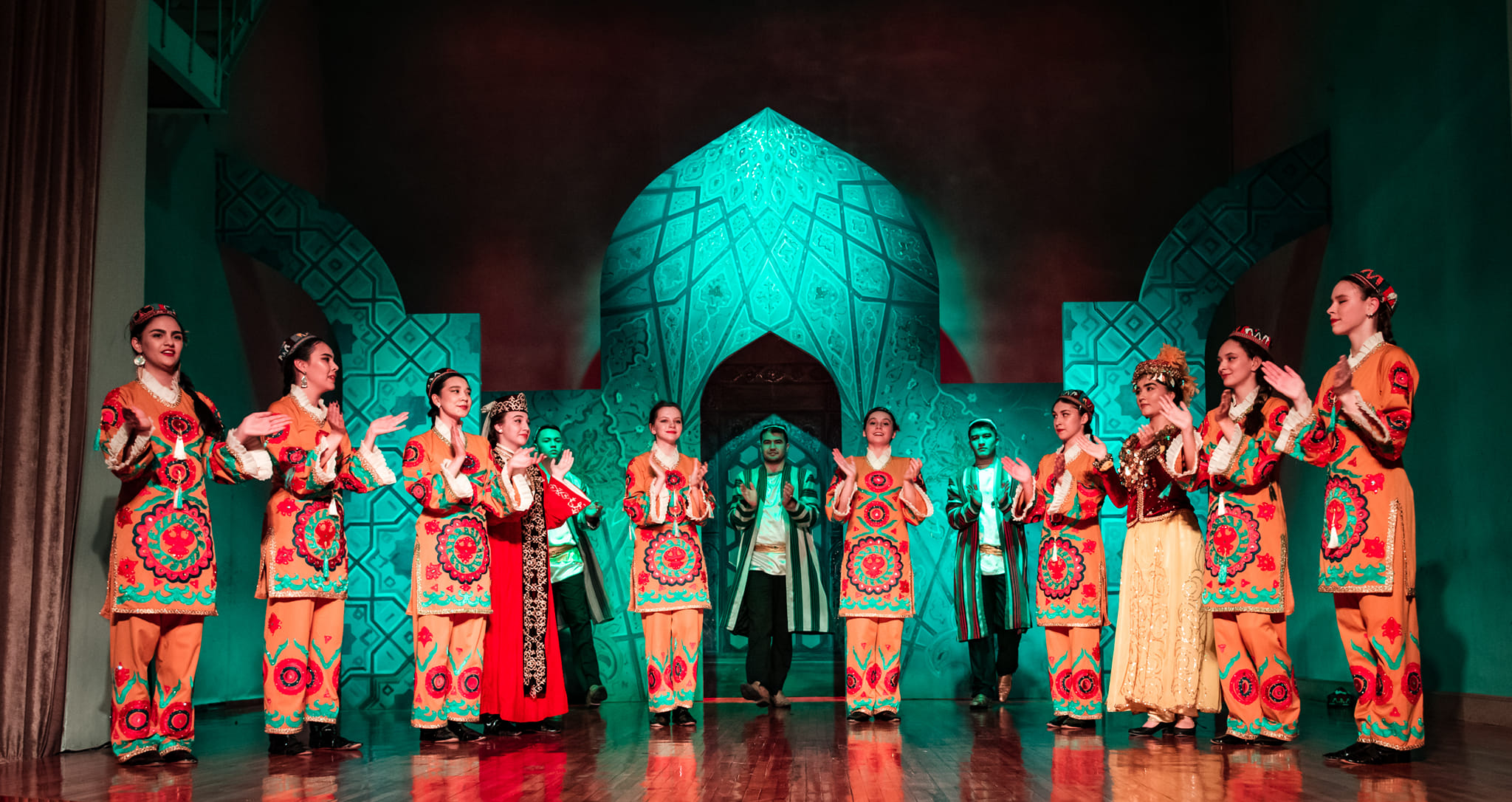
Images from the conference venue, Theatre of Historical Costume 'El Merosi'.
Registration
Registration fees for the conference - 3 days 21-23 October 2022 (for the speakers, who submitted their topics by themselves and delegates):
£100 (120 USD) for all 3 days (early bird) from 1 June to 15
August - includes
 coffee/tea breaks at the conference
1 sightseeing tour on historical sites of
Samarkand
conference bag with conference papers
£115 (140 USD) – registration from 15 August to 20 October
£130 (160 USD) – "at the door" registration
Closing party – banquet £33 (40 USD)
To book a seat at the conference, please click Booking
Excursion
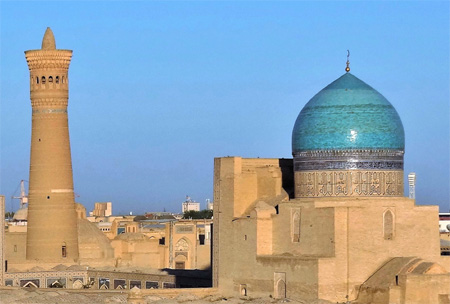
After the conference you can join us on optional tours for three days to Samarkand and Bukhara or five days to Samarkand, Bukhara and Khiva.
These tours will give you an insight into much of the islamic world in central Asia and its fantastic architecture.
Please click Excursion for details incl. costs of what you will experience, how we will travel from place to place and what is included and not included.
Samarkand - Bukhara - Khiva
Sightseeing, guided tours Accommodation Transfers
Visa
Visa is not required for visiting Uzbekistan up to 30 days as a tourist or in relation to business. This applies to visitors from most countries.
If you are transiting Uzbekistan and stay in the country for up to 3 days or multiple entries, you can apply for an e-visa at e-visa.gov.uz.
Organising Committee
Dr. Nicholas Campion, University of Wales Trinity Saint David (UK)
Dr. Frances Clynes, University of Wales Trinity Saint David (UK)
Karine Dilanian, MA, Institute for the Study of Astronomy in History,
Philosophy and Culture (Russia)


